

Material + Environmental Movement
This body of work examines the displacement of materials through landscapes shaped by extraction, construction and measurement. From shifting coastlines to systems that measure and divide land, chains, rope, sand and organic forms trace how human infrastructures transform environments. Through photography, sculpture and text, the works reveal hidden histories embedded within materials and the ecological consequences of their movement and use.
Where To Draw A Line?
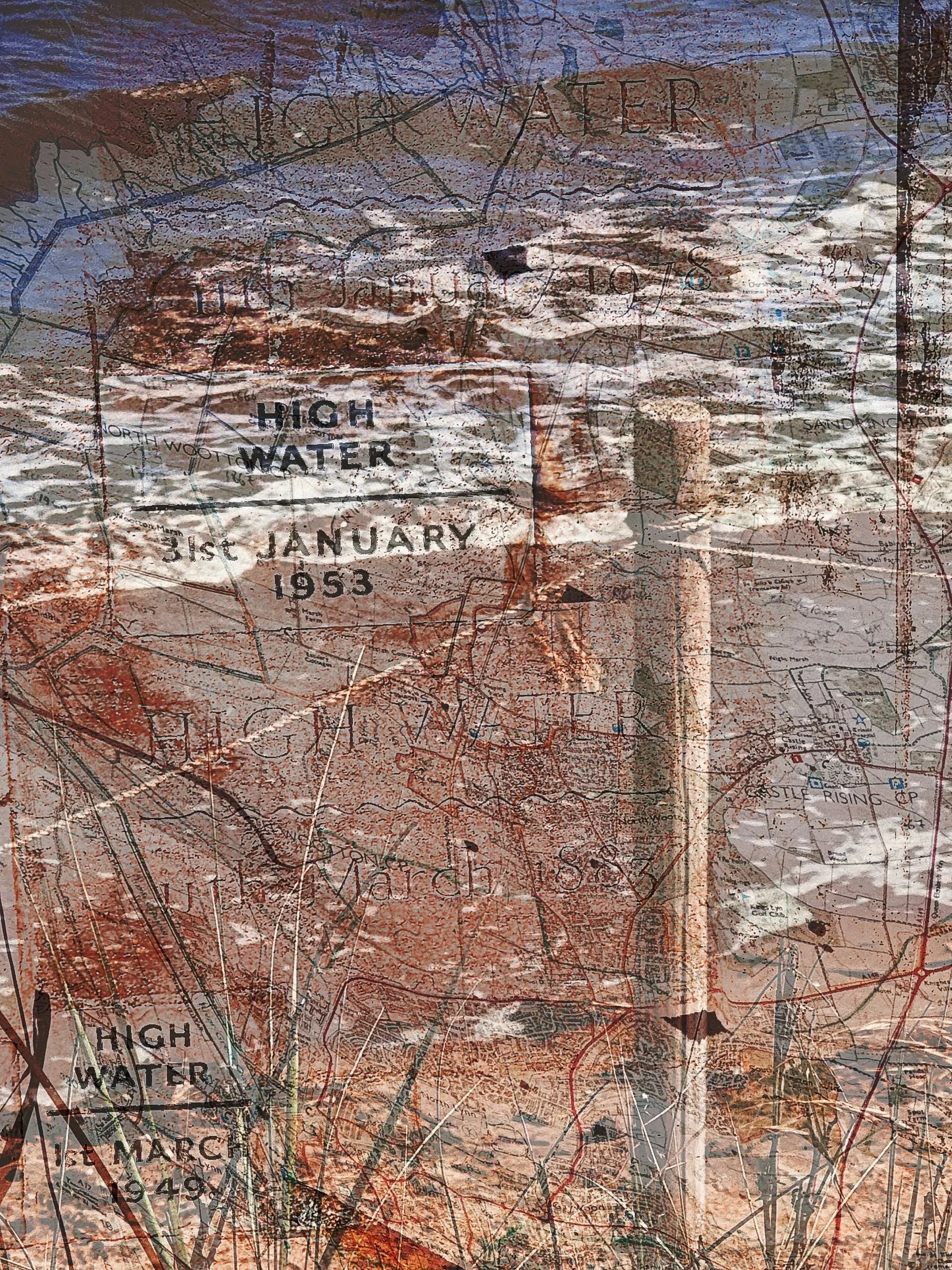
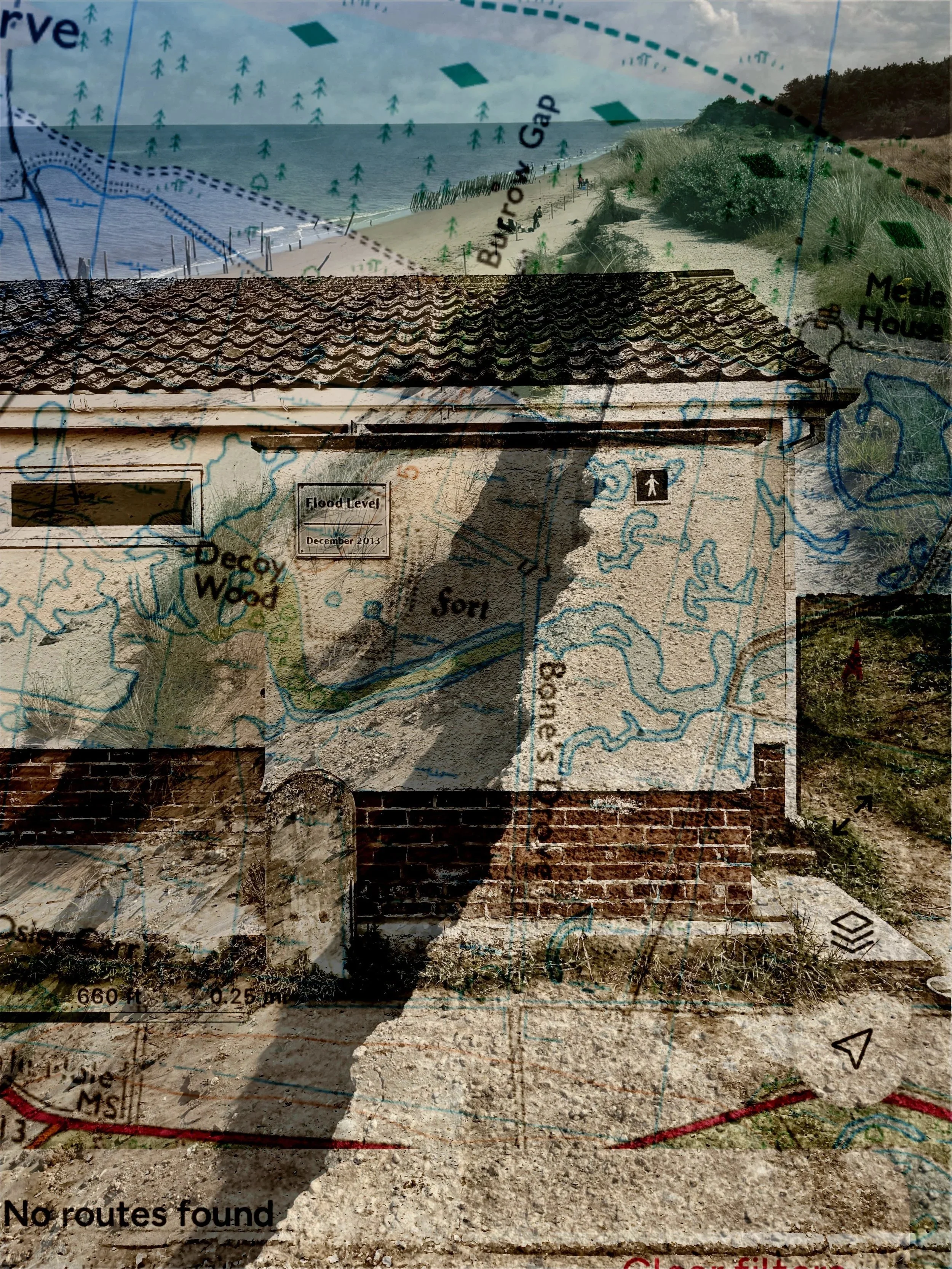
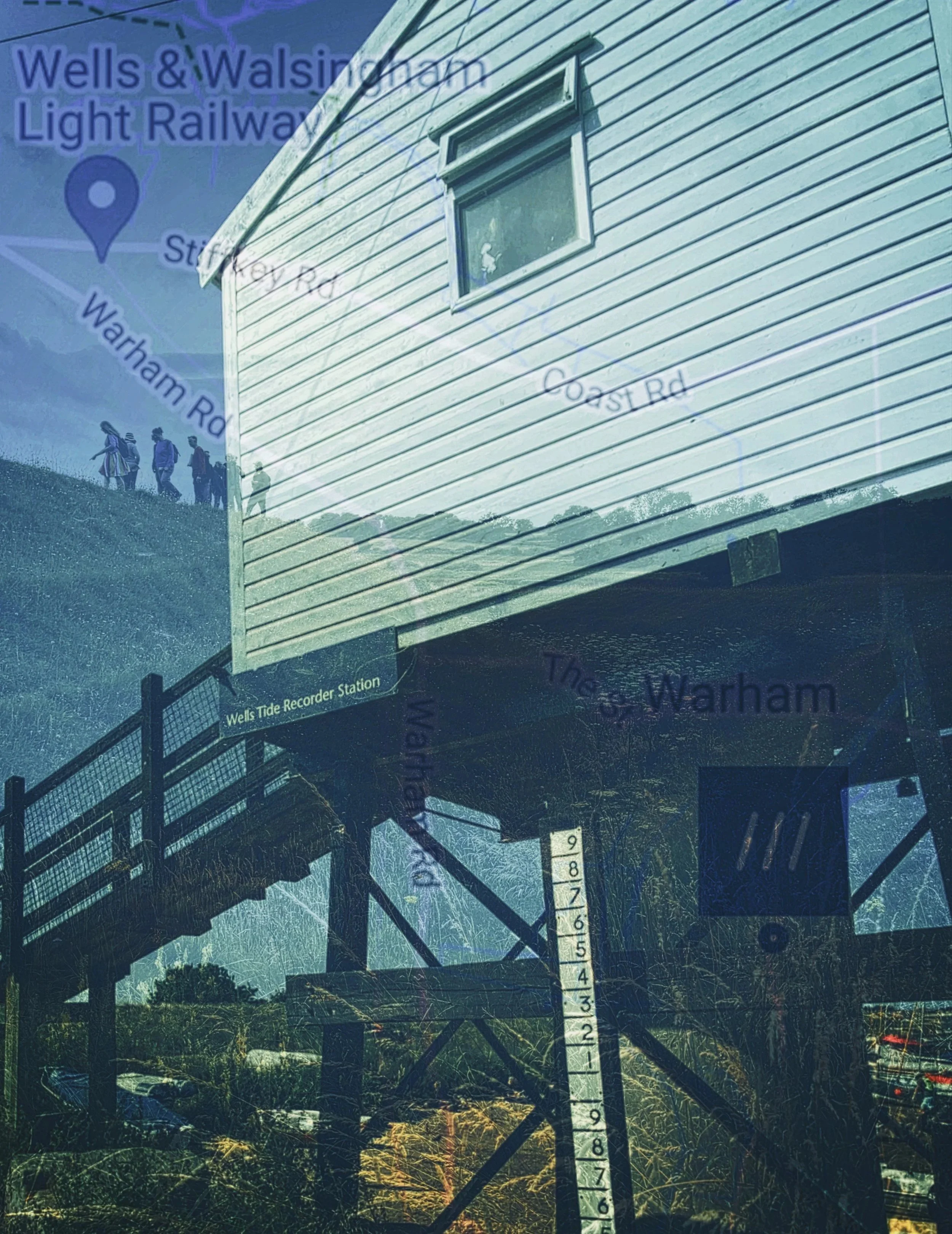
A series of digitally collaged photographic works produced during a residency at GroundWork Gallery in King’s Lynn. The images respond to predicted coastal flooding and erosion along the Norfolk coastline, where maps and shorelines are increasingly unstable.
Through layered photographic fragments, the series reflects on shifting boundaries between land and water, considering how lines drawn on maps struggle to contain landscapes in motion. The works question how and when we respond to environmental change, capturing moments where protection, loss and uncertainty coexist along the coast.
Linka + Line
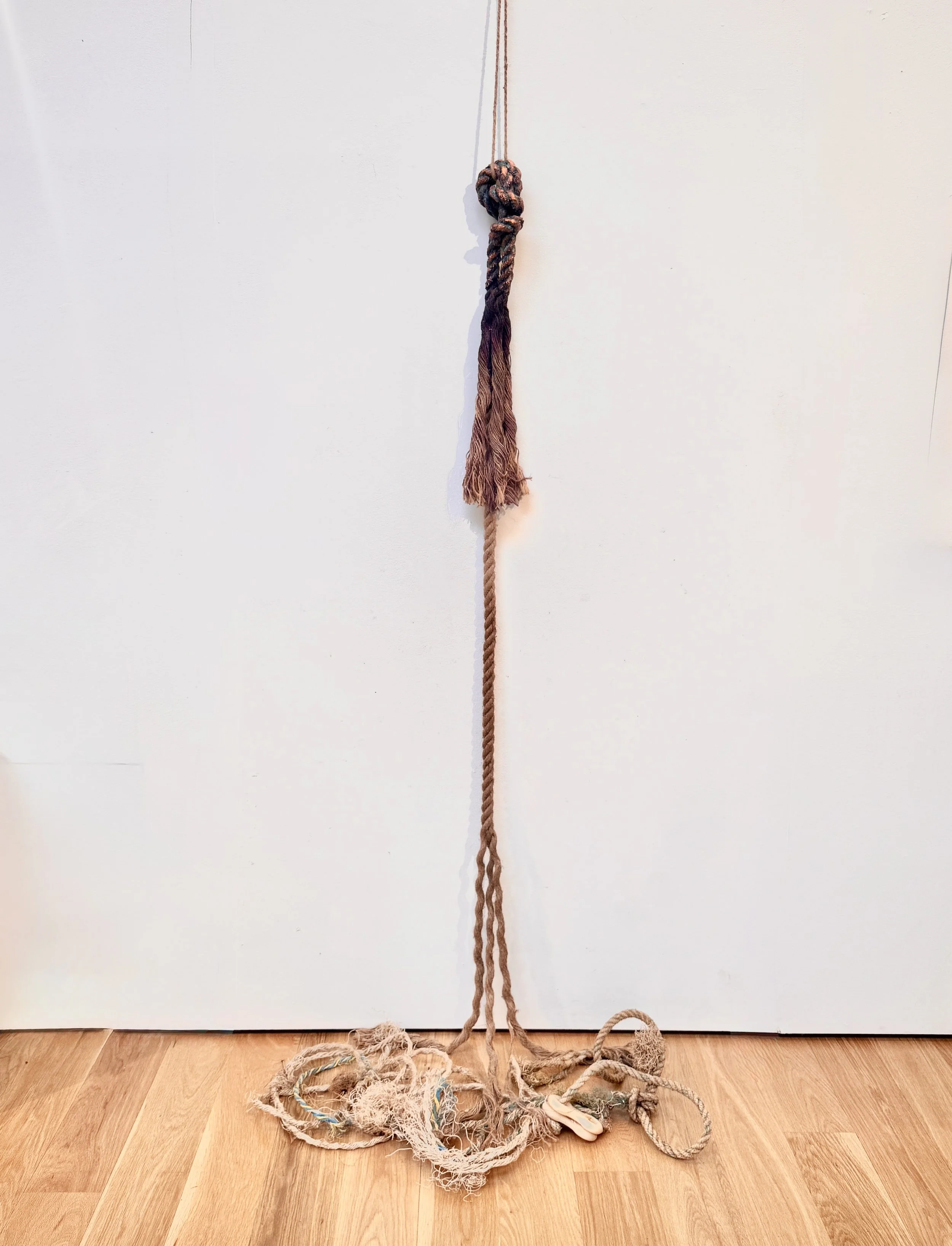
Linka + Line is a sculptural installation exploring the relationship between land, sea and material migration. Combining jute, copper and polypropylene rope recovered from the North Norfolk coastline, the work reflects on the histories of rope-making across Norfolk’s coastal towns and the environmental consequences of contemporary synthetic materials.
Once central to local maritime economies, rope-making supported boat building and sail production across towns such as King’s Lynn, Norwich and Wells-next-the-Sea. Today, synthetic ropes and fishing lines contribute significantly to marine pollution, with nets and lines accounting for around 20% of ocean plastic waste. Through the pairing of natural and synthetic materials, the work draws attention to shifting material economies and the ecological impact of microplastics within marine environments.
The title carries layered meanings: linka translates as rope or line, but also connection, relationship and network — echoing both material and human ties across landscapes and histories.
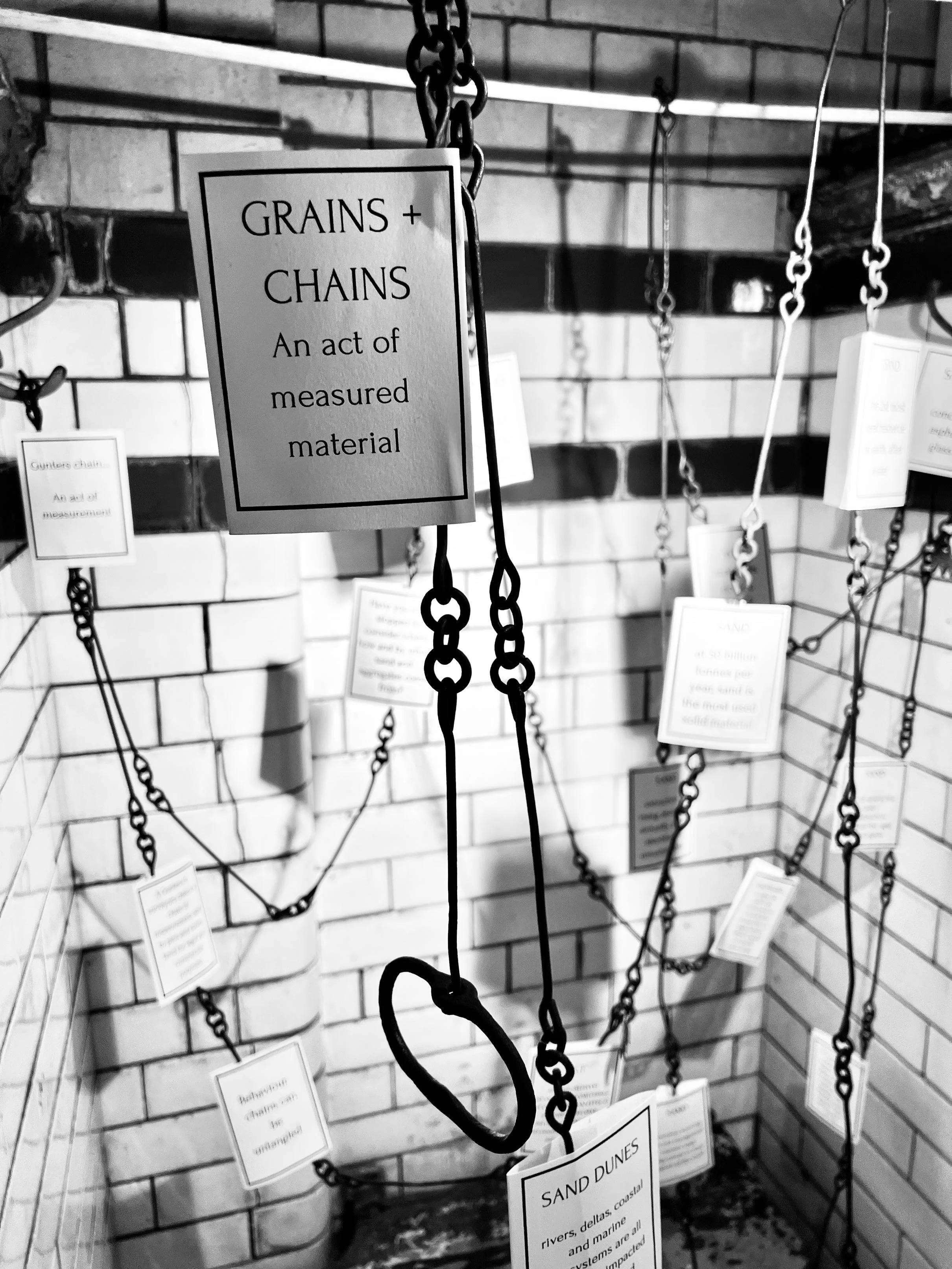
Grains + Chains
Grains + Chains explores the environmental and political histories embedded within materials and systems of measurement. The work draws attention to sand — the second most used natural resource on earth after water and the foundation of modern construction — and the accelerating ecological damage caused by its global extraction.
Structured around the form of a traditional Gunter’s chain, a seventeenth-century surveyor’s tool used to measure and divide land across the British Empire and early American settlements, the work traces the relationship between measurement, value and the organisation of landscape. Through photography, text and sculptural form, chains become both a measuring device and a metaphor for systems that organise land, resources and human behaviour.
Photograph, Victoria Baths Manchester UK, 2023


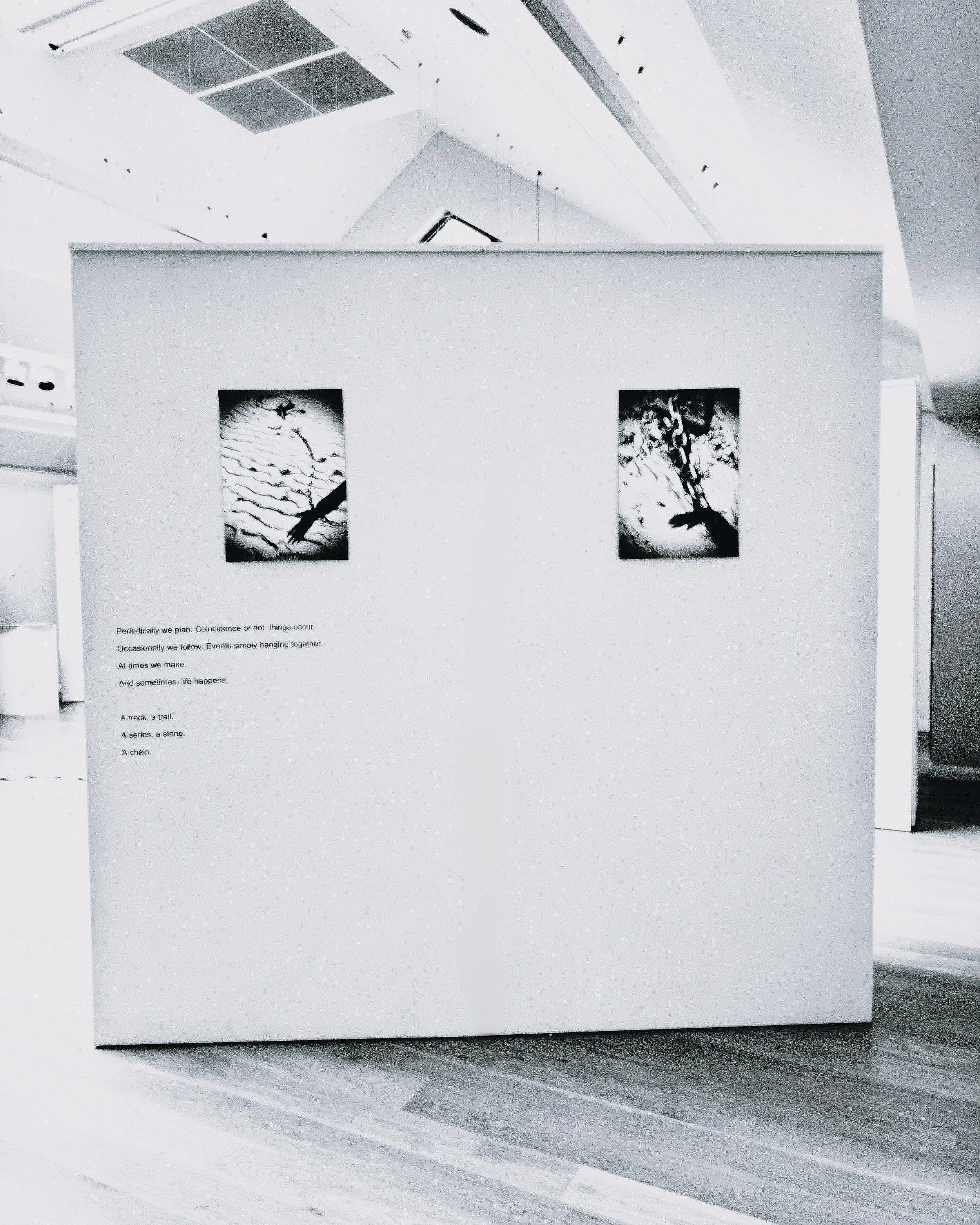


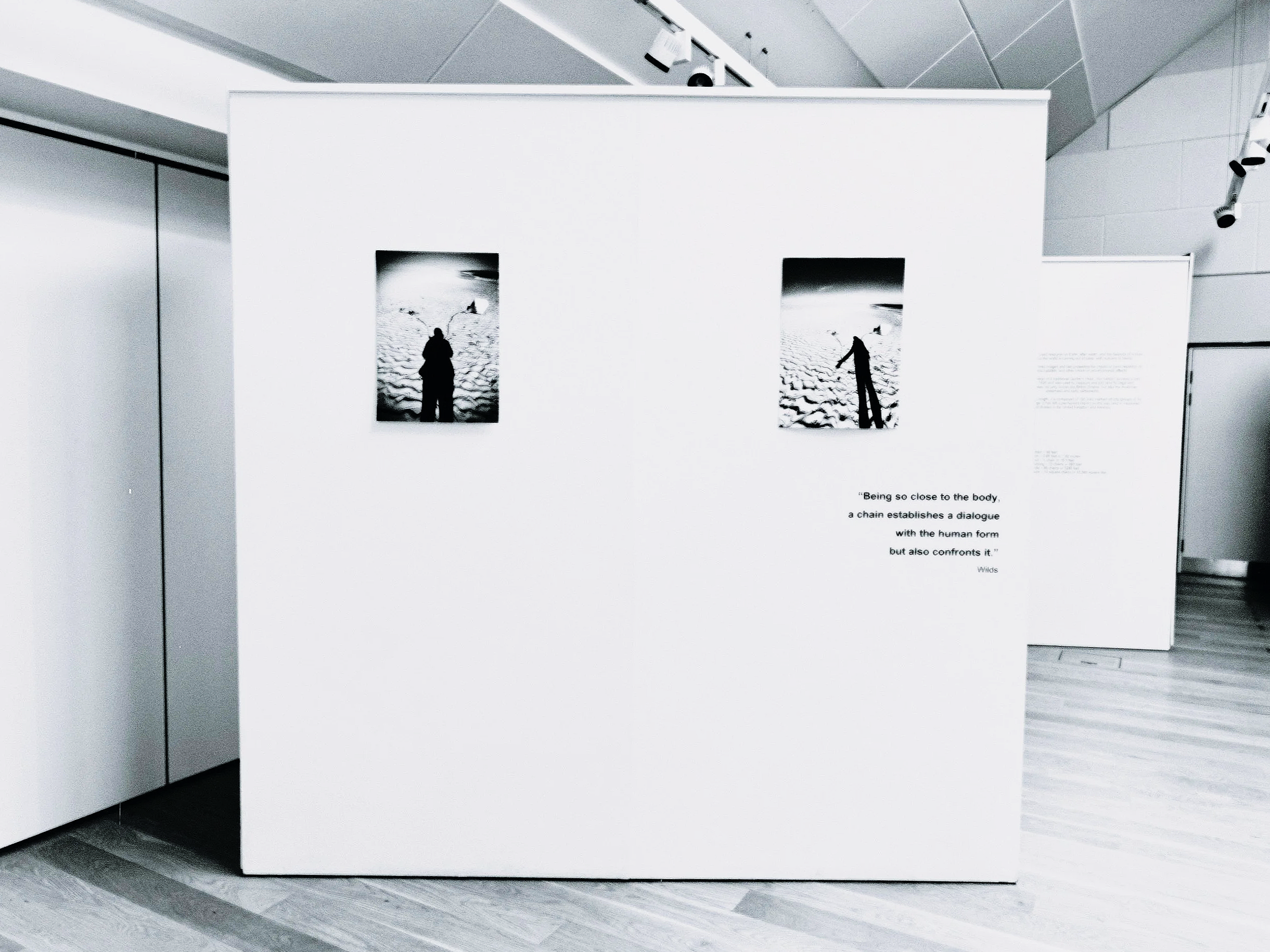
I walk looking at layers,
looking at layers of space created by time and by man.
A rock, a grain, a LeGuin bag; fruitfully full, or merely a hollowed smothering of something once captured. A moment perhaps.
A basket, a grid, a cage; a Deleuzian striated structure of state apparatus.
A prison of being within the verses of nomadic war machine of... smooth.
We bring, we bring, we bring from shore to shore, goods of goods, until, until the moment we find falter.
An urge to fill, an urge to strip.
An urge to place, an urge to remove.
This urge to replace nurtured within the very act of re-placing.
Yet this act doesn’t remove spaces or replace pasts. These acts are still in this space, in this moment, the moment we inhabit, the moment we make.
Layers, Verse, 2023Unbecoming
Unbecoming presents a cascade of ten unpolished, deforming pinecones, each retaining the visible wax sprues from the casting process. These traces mark a departure from the pinecone’s natural state and suggest a journey into altered conditions of existence.
Referencing the extraction and transformation of bauxite into aluminium, the work reflects on processes where original forms are stripped, reshaped and displaced. As materials move through systems of production, their initial integrity is often lost. The work asks makers to consider the origins of materials and the broader environmental conditions embedded within their transformation.
